

Are you concerned about your credit score? Having a lower credit score can have a meaningful impact on your life, including affecting your ability to qualify for loans, credit cards, or certain housing options.
A lower score is often tied to past payment behavior, limited credit history, or a combination of both—especially if you’re relatively new to using credit.
The good news is that, regardless of how you got here, there are steps that may help improve your credit over time.
If you’re learning how to build a credit score, here are five practical ways you can work toward boosting your score.
Start at the Beginning
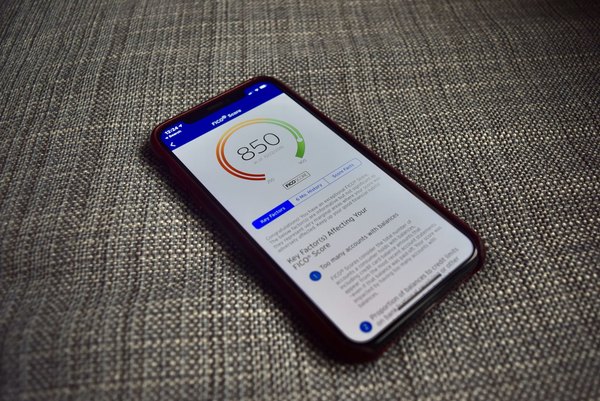
It’s hard to improve your credit if you don’t know where you stand. Fortunately, checking your credit score and report is easier than ever—and often free. Start by getting a copy of your credit report and score.
Credit scores can change periodically, so if you haven’t checked yours recently, it may be worth reviewing it again.
You can access your credit report directly from agencies like Experian, TransUnion, or Equifax. You may also be able to view your score through services such as Credit Sesame or Credit Karma.
Understand Your Score
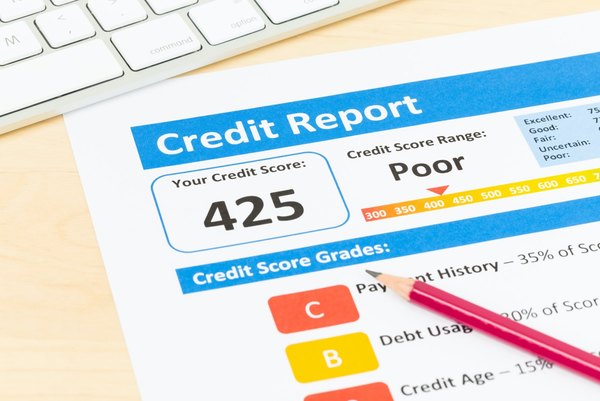
Before making changes, it helps to understand the main factors that typically influence your credit score.
Length of Credit History
This refers to how long you’ve had credit accounts open. In general, a longer history of responsibly managed credit may support a stronger score. Accounts such as credit cards, student loans, auto loans, and personal loans all factor in.
Payment History
Making on-time payments consistently can have a positive effect on your credit score. Late or missed payments may have a negative impact. Even making the minimum payment on time is generally better than missing a payment altogether.
Credit Utilization
Credit utilization reflects how much of your available credit you’re using. For example, owing $500 on a card with a $1,000 limit results in 50% utilization. Higher utilization may signal risk to lenders, while lower utilization generally reflects more available credit.
Pay Your Bills on Time
Payment history is one of the most influential factors in your credit score. Paying your bills on time, consistently, may help improve your credit profile over time.
To reduce the risk of missed payments, you might consider setting up automatic payments—even if it’s just for the minimum amount due.
3. Keep Your Utilization Lower
Keeping credit utilization lower—often cited as around 15–30%—may support a healthier credit profile.
Paying down balances is one way to reduce utilization. In some cases, requesting a credit limit increase may also lower your utilization percentage, depending on approval and usage.
4. Dispute Any Inaccuracies
Credit reports can sometimes contain errors. According to the Federal Trade Commission, some consumers find inaccuracies on their reports.
If you spot something that looks incorrect, you can dispute it with the appropriate credit reporting company. Correcting errors may help your score reflect your true credit behavior.
5. Keep Paid-Off Accounts Open (When Appropriate)
After paying off a credit account, some people choose to close it right away. In some situations, keeping the account open may help maintain available credit and support utilization ratios.
That said, decisions about closing accounts depend on factors like fees, account age, and overall credit usage. Consider reviewing your situation before closing any accounts.
Improving a credit score usually takes time and consistency. While results aren’t guaranteed or immediate, taking these steps may help put you on a more positive credit path over time.