

Improving your job skills does not always require paying for a degree or expensive training program. Free online courses can provide a flexible way to learn from home, especially if you are working, caring for family, or considering a career change.
These courses can help you explore a field before spending money on formal education. They may also help you strengthen skills that employers value. The key is choosing training that matches your career goals.
1. Start With Skills Employers Can Use
Before signing up for a course, think about the type of work you want. A useful course should help you develop a skill that connects to real job responsibilities.
Common areas for online learning include:
- Computer and digital skills
- Microsoft Office and spreadsheets
- Customer service
- Business communication
- Project management
- Information technology
- Cybersecurity basics
- Data analysis
- Bookkeeping
- English and workplace communication
If you are unsure which skills to learn, review job descriptions for positions that interest you. Look for skills, software, and qualifications that appear repeatedly.
The U.S. Bureau of Labor Statistics Occupational Outlook Handbook can also help you research what different occupations involve and what education or training they typically require.
2. Explore Reputable Free Learning Resources
Many organizations provide online learning at no cost, although some platforms charge for certificates, graded assignments, or additional features.
Resources worth exploring include:
- Khan Academy for math, computing, economics, and other foundational subjects
- GCFGlobal for computer, workplace, reading, math, and technology skills
- IBM SkillsBuild for technology and workplace skills
- Microsoft Learn for Microsoft products and technical skills
- Salesforce Trailhead for customer relationship management and related business skills
- Cisco Networking Academy for networking, cybersecurity, and digital skills
Course availability, costs, and certificate options can change. Check the provider's current terms before enrolling.
Free courses can be particularly useful for exploring a subject before deciding whether you need a certificate, college program, apprenticeship, or other formal training.
3. Know the Difference Between Learning and a Credential
Completing an online course can demonstrate initiative, but a free course is not automatically the same as earning an industry certification, professional license, or college credential.
Some occupations have specific education, certification, or licensing requirements. For example, completing a few online healthcare courses would not qualify someone for a licensed healthcare occupation.
Before paying for an optional certificate, ask:
- Do employers in this field recognize it?
- Is a certificate actually required for the jobs I want?
- Does the course prepare me for an industry-recognized credential?
- Is there a more affordable training option available?
- Will I receive proof that I completed the course?
Researching these questions can help you avoid spending money on credentials that may have limited value for your career goal.
4. Turn Free Learning Into Practical Experience
Watching videos or reading lessons is only part of building a skill. Whenever possible, practice what you learn.
For example, someone learning spreadsheets could create a sample monthly budget or inventory tracker. A person studying digital marketing could develop a practice campaign. Someone learning coding could build a simple project to demonstrate basic technical abilities.
You can also keep track of completed courses and projects that are relevant to the positions you want.
When appropriate, your resume may include:
- Relevant courses
- Training programs
- Completed projects
- Software skills
- Certifications or credentials
Be accurate about your level of experience. Completing an introductory course does not necessarily make you an expert, but it can show that you are actively developing your abilities.
5. Consider Your Next Step After Free Courses
Free courses can be a starting point rather than the end of your education.
After exploring a subject, you may decide that additional training could help you qualify for the career you want. Your next step might include a community college certificate, trade program, Registered Apprenticeship, industry certification, or degree.
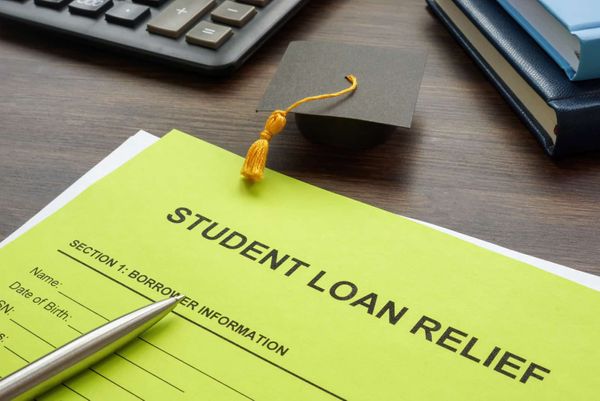
If you are considering formal education, investigate financial assistance before assuming you cannot afford it. Eligible students and programs may qualify for federal student aid through the Free Application for Federal Student Aid (FAFSA), including Federal Pell Grants.
American Job Centers and local workforce development programs may also provide information about career training and possible funding opportunities.
Free online courses can make it easier to start building job skills without a large upfront financial commitment. They allow you to explore careers, strengthen existing abilities, and decide whether more education is worth pursuing.
Choose courses that connect to the work you want, practice what you learn, and research which credentials employers actually value. Even a free course can be a useful first step when it is part of a clear plan for developing your skills and moving toward better career opportunities.