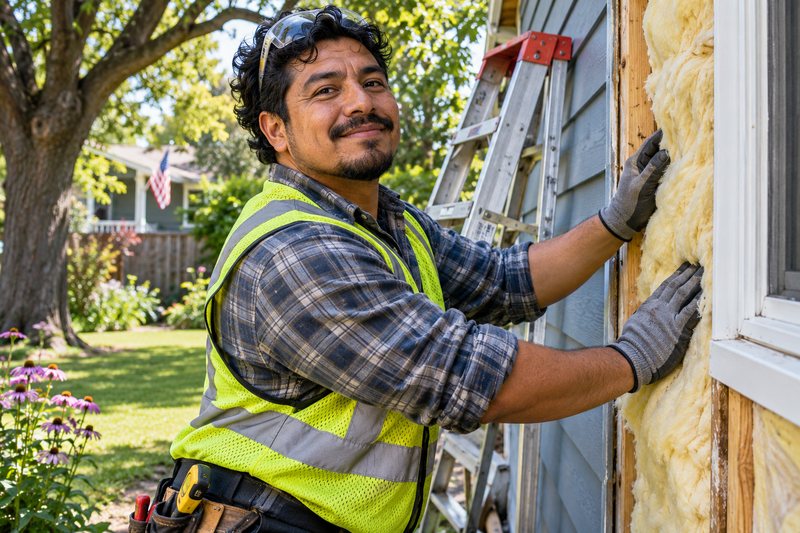
1. Why Skilled Trade Careers Are Worth Exploring in 2027
A four-year college degree isn't the only path toward a rewarding career. For adults seeking better employment opportunities, skilled trades offer practical alternatives that can lead to stable work and competitive wages.
Skilled trade careers involve specialized technical abilities developed through vocational education, apprenticeships, certification programs, or supervised workplace training.
These occupations support essential industries, including construction, manufacturing, transportation, and infrastructure maintenance.
As employers continue to seek qualified workers, exploring skilled trades in 2027 may be a practical choice for individuals who prefer hands-on work.
Benefits of Choosing a Skilled Trade
Depending on the occupation, skilled trade careers may offer:
- Training programs shorter than traditional bachelor's degrees
- Opportunities to earn wages through apprenticeships
- Industry-recognized credentials
- Career advancement through additional certifications
- Employment opportunities across different industries
- Pathways toward supervisory or business ownership roles
However, wages, hiring demand, and training requirements vary by location and occupation.
Before selecting a career, research local employment conditions and understand the qualifications employers expect.
2. Skilled Trade Careers That Don't Require a Four-Year Degree
Several skilled occupations offer entry routes through apprenticeships, technical schools, or community college programs.
The following careers are worth researching as you plan for 2027.
Electrician Electricians install, maintain, and repair electrical systems in homes, businesses, and industrial facilities.
Many electricians enter the profession through paid apprenticeships that combine classroom instruction with supervised practical experience.
Training typically covers electrical safety, wiring systems, building codes, and equipment maintenance.
State or local licensing requirements may apply.
Electricians can work in residential construction, commercial buildings, manufacturing facilities, and infrastructure projects.
Heating, Ventilation, and Air Conditioning Technician
Heating, ventilation, and air conditioning (HVAC) technicians install and maintain equipment that controls indoor temperatures and air quality.
Training may be available through technical colleges, certificate programs, and apprenticeships.
Workers who handle certain refrigerants generally need certification under U.S. Environmental Protection Agency requirements.
HVAC technicians may find opportunities with construction companies, maintenance contractors, and building management organizations.
Plumber
Plumbers install and repair water supply systems, drainage pipes, and related equipment.
Many enter the field through apprenticeships that provide supervised experience and technical instruction.
Training includes plumbing codes, pipe installation, safety practices, and system maintenance.
Licensing requirements vary by state and locality.
Plumbing skills are used in residential construction, commercial facilities, and infrastructure maintenance.
Welder
Welders join metal components using specialized tools and techniques.
They work in industries such as manufacturing, construction, transportation equipment, and industrial repair.
Training may be available through community colleges, vocational schools, and employer-sponsored programs.
Some employers prefer candidates with credentials from organizations such as the American Welding Society.
Additional experience in specialized welding techniques may expand employment opportunities.
Industrial Maintenance Technician Industrial maintenance technicians inspect, troubleshoot, and repair machinery used in manufacturing and production facilities.
Their responsibilities may involve mechanical systems, electrical components, and automated equipment.
Entry pathways include technical certificates, associate degrees, apprenticeships, and employer training.
Workers interested in technology and problem-solving may find this occupation particularly appealing.
3. How to Get Skilled Trade Training Without a Bachelor's Degree
One advantage of skilled trade careers is the variety of available training pathways.
You may not need to spend four years attending college before becoming qualified for entry-level opportunities.
Registered Apprenticeships
Registered Apprenticeships combine paid employment with structured technical instruction.
Participants develop practical skills while earning wages and progressing through an established training program.
The U.S. Department of Labor's Apprenticeship.gov provides information about available apprenticeship opportunities.
Community Colleges and Technical Schools
Community colleges and vocational institutions offer certificate and associate degree programs designed around specific occupations.
These programs may include classroom education, laboratory activities, and hands-on training.
Depending on the occupation, some certificates can be completed in less than two years.
Government-Funded Workforce Training
Eligible adults may receive assistance through programs supported by the Workforce Innovation and Opportunity Act (WIOA).
Local American Job Centers can help job seekers explore approved training providers and available workforce funding.
Some programs cover eligible tuition expenses, while others may provide assistance with books, supplies, or transportation.
Funding is not automatic, so confirm eligibility and program costs before enrolling.
4. How to Choose the Right Skilled Trade Career for 2027
Choosing a skilled trade involves more than finding an occupation with attractive wages.
Consider your interests, physical abilities, training costs, and the availability of jobs in your community.
Research Employment Demand and Earning Potential
The U.S. Bureau of Labor Statistics provides occupational information through its Occupational Outlook Handbook.
This resource can help you compare:
- Typical wages for different occupations
- Education and training requirements
- Projected employment growth
- Daily job responsibilities
- Working conditions and physical demands
Remember that national wage figures do not guarantee what an entry-level worker will earn.
Local employers, experience, certifications, and economic conditions can influence compensation.
Compare Training Costs and Financial Assistance
Before enrolling, ask whether the program offers recognized credentials and whether graduates qualify for required licensing examinations.
Explore financial assistance through Federal Pell Grants, WIOA-funded programs, and state workforce agencies.
Some apprenticeships also allow participants to earn wages during training, potentially reducing the financial burden of career preparation.
5. Start Preparing for a Skilled Trade Career in 2027
A successful career doesn't always require a traditional four-year college education.
Skilled trades offer alternative pathways for adults interested in practical work, technical skills, and long-term professional development.
Whether you're considering electrical work, HVAC maintenance, plumbing, welding, or industrial technology, begin by researching local training opportunities.
Contact community colleges, apprenticeship sponsors, and American Job Centers to compare available programs.
Ask about tuition assistance, licensing requirements, employment outcomes, and opportunities for advancement.
As 2027 approaches, developing relevant skills and understanding employer expectations can help you make informed career decisions.
The right training program may provide a valuable starting point toward stronger job qualifications, increased earning potential, and greater financial independence.