


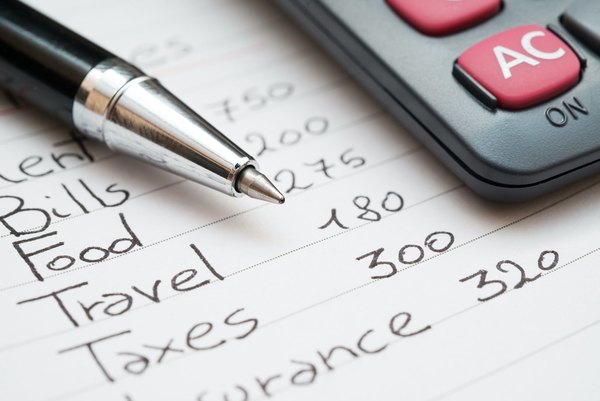
Spending money is often easier than saving it. Many people don’t recall exactly how their money is spent from month to month. Small, frequent purchases can add up over time, sometimes without much notice. If you’re looking to be more intentional with your finances, a spending log may help bring clarity. Below are some steps to get started with budgeting and tracking expenses.
Go Through Your Statements
Before building a budget, it’s useful to review how you’ve been spending your money. Looking through your bank statements from the past few months can help highlight patterns in discretionary spending.
You may notice certain categories—such as clothing, dining out, or entertainment—where spending is higher than expected. Identifying these areas can help you decide where to cut back if your goal is to save money.
Make a List
As you review your statements, make a list of expenses you may be willing to reduce or eliminate. For example, you might consider making coffee at work instead of buying it daily.
You may also find subscriptions you no longer use. For instance, it might not make sense to keep a Netflix subscription if you primarily watch content through Amazon Prime. Tools like TrueBill can help identify recurring subscriptions, though results depend on account access and activity.
Get Help Budgeting
If managing finances feels overwhelming, budgeting tools may help simplify the process. Many free budgeting apps are available to help track income and expenses and provide summaries of spending habits.
Alternatively, you can create your own spreadsheet. Categorizing expenses—such as debt payments, bills, groceries, and other essentials—can help you see how your money is allocated.
Making Adjustments
After reviewing your spending, you may notice areas where changes could be made. Budgeting sometimes involves reducing discretionary spending in the short term, but it can also support longer-term financial goals.
For example, if you’re saving for a major expense like a wedding, small changes—such as fewer daily purchases—may add up over time. Progress varies based on income, expenses, and consistency.
Lower Your Bills
It can also be helpful to periodically review recurring bills. Comparing options for things like life insurance or utility services may reveal opportunities to reduce costs, depending on availability and eligibility.
Creating Your Spending Log
Once you get into the habit of maintaining a spending log, it can continue to be useful over time. Tracking expenses can support better awareness of spending habits and help you plan for unexpected costs.
If you’re planning a wedding, you may also want to take a look at how marriage can affect personal finances.