

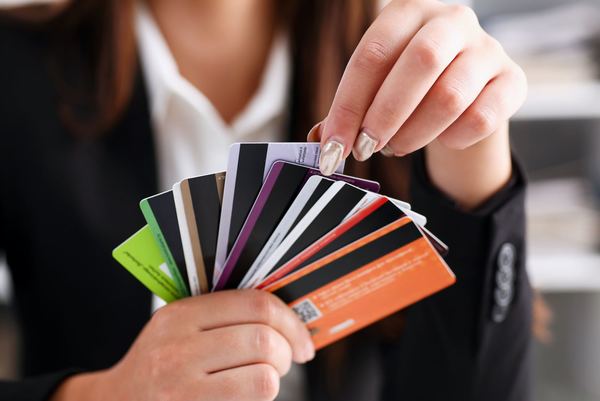
Choosing the right type of card can help you manage your finances more effectively, so it’s important to understand how each option works.
In recent years, the number of ways to pay for purchases has expanded significantly. Digital payment tools like Venmo, Square Cash, Google Pay, and Apple Pay have made electronic payments more common. Still, most everyday purchases are made using physical debit and credit cards.
Although credit cards and debit cards may look similar, they function very differently. Understanding the potential benefits and limitations of each can help you decide which is best for your situation.
What is a Debit Card?
A debit card works similarly to carrying cash, but in card form. When you make a purchase with a debit card, the money is typically taken directly from your checking account and transferred to the merchant.
Most debit cards are protected by a PIN, although some transactions—such as smaller purchases or those processed as credit—may not require one.
Debit cards usually do not have annual fees and generally do not charge interest, as long as your account balance stays above zero. Because spending is limited to the funds available in your account, debit cards can help some people avoid spending more than they have.
With most checking accounts, a debit card is automatically provided as a way to access your money. Typically, the main requirement is maintaining an active checking account with sufficient funds.
Debit cards also make it easy to access cash. Many allow ATM withdrawals and offer “cash back” at checkout. For example, if you make a $10 purchase and request $40 in cash back, your account would be charged $50.
That said, debit cards aren’t without drawbacks. Accounts with overdraft protection may allow transactions that exceed your balance, which can result in fees and a negative account balance. Keeping track of your spending can help reduce the risk of overdrafts.
Debit cards also generally do not help build your credit history and may offer fewer consumer protections than credit cards, since transactions are tied directly to your bank account.
What is a Credit Card?
A credit card allows you to make purchases using a line of credit rather than funds already in your bank account. Each card comes with a credit limit, which may change over time depending on factors like payment history and issuer policies.
When used responsibly, credit cards can offer several potential benefits. These may include the ability to build credit history, access rewards programs, or receive sign-up incentives. Rewards can vary by card and issuer and may include cash back, points, or travel-related benefits.
Credit cards also typically include protections against unauthorized charges. In many cases, cardholders are not responsible for fraudulent purchases if the card is reported lost or stolen promptly, as explained here.
Another feature some people find helpful is detailed spending records. Monthly and annual statements can make it easier to track expenses and review spending patterns.
Credit cards allow you to pay for purchases over time. If you pay the full balance during the grace period, interest may not apply. If a balance is carried beyond that period, interest charges usually begin.
However, credit cards also come with risks. Interest rates can be high, and carrying balances month to month may lead to growing debt. Many people find it easy to overspend and may struggle to pay off the full balance.
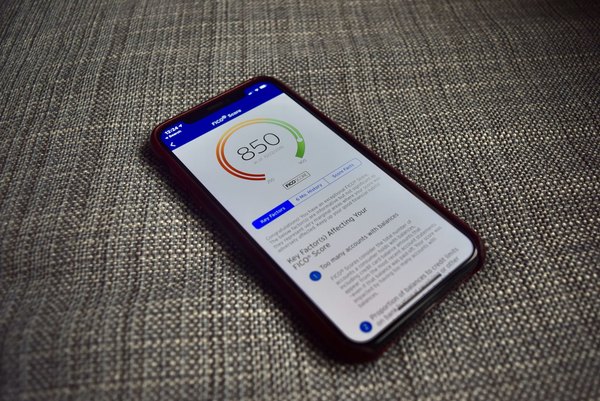
Late or missed payments can negatively affect your credit score. Automatic payments can help, but if your bank account doesn’t have enough funds, overdraft fees may still apply.
Approval for a credit card can depend on your credit history. Some cards are designed for people rebuilding credit, including those who have experienced bankruptcy, as discussed here. These cards may require a security deposit and may offer fewer features.
Choosing What Works for You
Both debit and credit cards offer convenience and security when used carefully. Each comes with different protections, costs, and financial implications.
Before deciding which card to use, consider how you manage your money, whether you tend to carry balances, and what financial goals you’re working toward. The right choice is the one that fits your habits and helps you stay on track.