

Why Emergency Funds Matter More During Economic Uncertainty
Economic uncertainty has become a reality that many households face from time to time. Inflation, rising living costs, fluctuating job markets, and unexpected global events can all place significant pressure on personal finances. While no one can predict exactly when financial challenges will arise, everyone can take steps to prepare for them. One of the most effective ways to do that is by building an emergency fund.
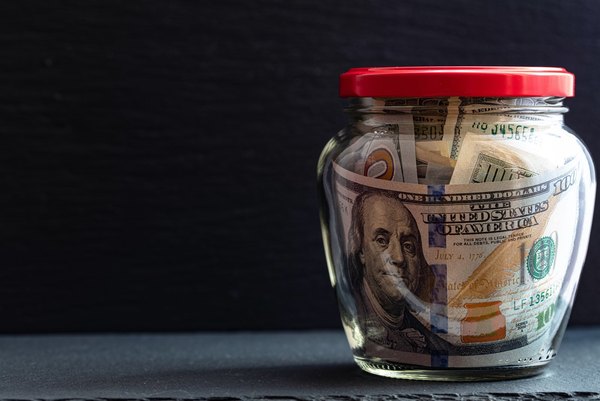
An emergency fund is money set aside specifically for unexpected expenses or temporary income loss. Unlike savings for vacations, holidays, or major purchases, an emergency fund serves as a financial safety net. It allows individuals and families to respond to life's surprises without immediately relying on credit cards, loans, or other forms of debt.
During periods of economic uncertainty, having emergency savings becomes even more important. It provides peace of mind, greater financial flexibility, and the ability to make thoughtful decisions rather than reacting out of panic. Whether you're just beginning your savings journey or looking to strengthen your financial foundation, understanding the value of an emergency fund is an important first step.
Economic Uncertainty Can Affect Anyone
Economic challenges rarely impact only one group of people. Workers, business owners, retirees, students, and families can all experience financial disruptions for different reasons.
Unexpected Job Loss or Reduced Income
One of the biggest financial risks during uncertain economic periods is a sudden loss of income. Companies may reduce hours, freeze hiring, or restructure their workforce in response to changing market conditions. Self-employed individuals and freelancers may also experience fewer clients or delayed payments.
Without emergency savings, even a short interruption in income can make it difficult to cover basic living expenses such as rent, mortgage payments, groceries, utilities, and transportation.
An emergency fund creates a financial cushion that helps bridge temporary gaps while individuals search for new opportunities or wait for income to stabilize.
Rising Costs Reduce Household Flexibility
Inflation increases the cost of everyday necessities. Groceries, fuel, healthcare, insurance, and utility bills can all become more expensive over time.
When monthly expenses increase faster than income, many households have less room in their budgets for unexpected costs. An emergency fund helps absorb these financial shocks without disrupting long-term financial goals.
Emergencies Rarely Come at Convenient Times
Unexpected events often happen without warning. Common examples include:
- Major vehicle repairs
- Emergency home maintenance
- Medical expenses
- Temporary job interruptions
- Essential appliance replacements
- Family emergencies requiring travel
Having money set aside specifically for these situations helps reduce financial stress when quick decisions are necessary.
The Benefits of Building an Emergency Fund
Emergency savings offer much more than financial protection. They also improve confidence and reduce the emotional burden that often accompanies financial uncertainty.
Reduces Financial Stress
Money worries can affect nearly every area of life, including relationships, work performance, and overall well-being.
Knowing that emergency savings are available can provide reassurance during difficult situations. Instead of worrying about how an unexpected bill will be paid, households have additional time to evaluate their options carefully.
Helps Avoid High-Interest Debt
Many people turn to credit cards or personal loans when unexpected expenses occur.
While borrowing may solve an immediate problem, it can also create long-term financial obligations through interest charges and monthly payments.
An emergency fund allows individuals to cover many unexpected expenses using their own savings instead of relying on expensive debt.
Protects Long-Term Financial Goals
Without emergency savings, people may be forced to withdraw money from retirement accounts or other long-term investments.
Doing so can interrupt years of financial planning and may result in taxes, penalties, or missed investment growth opportunities.
Emergency funds help protect these long-term goals by providing a separate source of money for short-term needs.
How to Build an Emergency Fund
Many people believe they need a large amount of money before starting an emergency fund. In reality, consistency is often more important than the starting balance.
Start Small and Stay Consistent
Building savings doesn't require large deposits.
Setting aside a small amount each week or month can gradually create a meaningful financial cushion. Even modest contributions become significant over time when made consistently.
The most important step is simply getting started.
Automate Your Savings
Automatic transfers make saving easier by removing the need to remember each month.
Scheduling regular transfers into a dedicated savings account helps build emergency funds steadily while reducing the temptation to spend the money elsewhere.
Separate Emergency Savings from Everyday Spending
Keeping emergency funds in a separate account can make it easier to avoid unnecessary withdrawals.
This separation reinforces the idea that the money is reserved only for genuine financial emergencies rather than everyday purchases or impulse spending.
Review and Adjust Your Goal
As income, expenses, and family needs change, emergency savings goals should also be reviewed.
Households experiencing higher monthly expenses may eventually decide to increase the amount they keep available for unexpected situations.
Regular reviews help ensure savings continue to reflect current financial circumstances.
Smart Habits That Strengthen Financial Resilience
Building an emergency fund is only one part of preparing for uncertain economic conditions. Several additional habits can improve financial stability over time.
Create a Realistic Budget
A clear budget helps identify where money is going each month and highlights opportunities to reduce unnecessary spending.
Tracking expenses also makes it easier to prioritize savings without dramatically changing one's lifestyle.
Reduce Unnecessary Expenses
Small adjustments can free up additional money for emergency savings.
Examples include:
Reviewing subscription services
- Planning meals before grocery shopping
- Comparing insurance or utility plans
- Reducing impulse purchases
- Taking advantage of discounts and rewards programs
These changes may seem minor individually, but together they can contribute meaningful savings over time.
Increase Financial Knowledge
Learning about budgeting, saving, and responsible money management can improve decision-making during uncertain times.
Reliable educational resources, community workshops, employer financial wellness programs, and government consumer education materials can all help individuals build stronger financial skills.
Replenish the Fund After Use
Using emergency savings is not a failure—it is exactly what the fund is designed for.
Once the immediate situation has passed, gradually rebuilding the fund helps restore financial readiness for future unexpected events.
Treat replenishing emergency savings as an ongoing financial priority whenever possible.
Why Preparation Builds Confidence
One of the greatest benefits of an emergency fund is the confidence it creates.
Financial uncertainty often leads to anxiety because people feel they have limited options. Savings expand those options by providing flexibility and valuable decision-making time.
Rather than accepting unfavorable financial terms or making rushed decisions, individuals with emergency savings can approach challenges more thoughtfully. They may have time to compare repair estimates, evaluate employment opportunities, or adjust household budgets without immediate financial pressure.
Preparation also encourages healthier financial habits. People who regularly save often become more aware of spending patterns, budgeting strategies, and long-term planning. Over time, these habits contribute to greater financial resilience regardless of economic conditions.
An emergency fund cannot eliminate every financial challenge, but it can significantly reduce the impact of many common setbacks. Economic uncertainty is an unavoidable part of life, but financial preparedness can make navigating it much easier. An emergency fund provides a practical safety net that helps households manage unexpected expenses, temporary income loss, and rising living costs without immediately turning to debt or disrupting long-term financial plans.
Building an emergency fund does not require perfection or large deposits from the beginning. What matters most is developing the habit of saving consistently and protecting those savings for genuine emergencies. Combined with thoughtful budgeting, responsible spending, and ongoing financial education, an emergency fund strengthens both financial stability and peace of mind.
No one can predict what the future will bring, but taking steps today to prepare for tomorrow can make a meaningful difference. By making emergency savings a priority, individuals and families are better equipped to face economic uncertainty with greater confidence, flexibility, and resilience.