



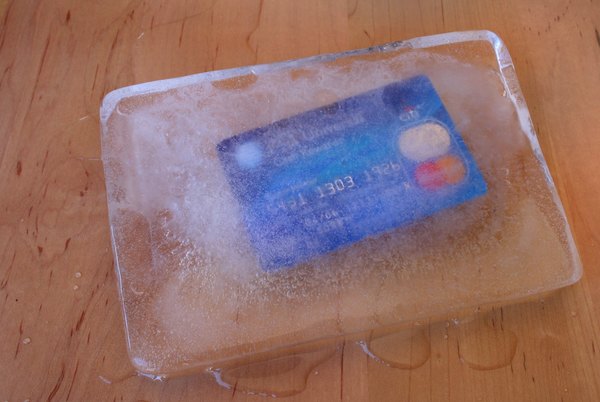
If you aren’t planning to apply for new credit soon, placing a credit freeze may be a smart way to protect yourself.
Concerned about identity thieves accessing your credit information? A credit freeze can help stop fraud before it starts by restricting access to your credit report—including access by legitimate lenders.
When you want to apply for new credit, you’ll use a secure PIN or account login provided by the credit bureau to temporarily lift the freeze. You can choose how long the freeze is lifted, and your credit will automatically refreeze once that window expires.
When your credit is unfrozen, lenders can access your report, which briefly increases your exposure to fraud. That said, online or phone requests to freeze or unfreeze your credit are usually processed within hours. Requests sent by mail may take several days.
Is Freezing Your Credit a Good Idea?
A credit freeze limits access to your credit file, significantly reducing the risk of fraudulent accounts being opened in your name. It’s especially useful if you’ve already been a victim of identity theft or believe your personal information may have been compromised.
How to Freeze Your Credit With Each Credit Bureau
Each of the three major credit bureaus—Experian, TransUnion, and Equifax—allows you to freeze your credit online, by phone, or by mail.
| Bureau | Online | Telephone | Address |
|---|---|---|---|
| Experian | Form | 888-397-3742 | P.O. Box 9554, Allen, TX 75013 |
| TransUnion | Form | 888-909-8872 | P.O. Box 2000, Chester, PA 19016 |
| Equifax | Form | 800-349-9960 | P.O. Box 105788, Atlanta, GA 30348 |
How to Lift a Credit Freeze
Before lifting a freeze, decide whether you want a temporary or permanent lift.
- Temporary lift: Allows lenders to access your credit for a set period of time (useful when applying for credit).
- Permanent lift: Removes the freeze entirely.
Both options are free, and you can freeze or unfreeze your credit as often as needed.
Each bureau has its own process:
- Experian – Lift a freeze online, by phone, or by mail. Experian also offers one-time PINs for a single creditor, allowing access without fully unfreezing your credit.
- Equifax – Requires a myEquifax account to manage freezes and lifts online.
- TransUnion – Requires an online account and allows you to schedule a temporary lift up to 15 days in advance.
The Downsides of Freezing Your Credit
While credit freezes offer strong protection, there are a few drawbacks to consider:
- False sense of security – A freeze won’t stop all forms of identity theft, such as stolen credit card numbers or hacked bank accounts. It’s just one layer of protection.
- Inconvenience – You must provide the correct PIN or credentials each time you want a lender to access your credit. It can also be unclear which bureau a lender will check.
- Potential insurance impact – In states where insurers use credit-based pricing, freezing your credit may prevent access to discounts tied to good credit.
Does Freezing Your Credit Hurt Your Credit Score?
No. A credit freeze does not affect your credit score. It simply prevents new credit inquiries, which can indirectly limit your ability to open new accounts while the freeze is in place.
Credit Freeze vs. Credit Lock: What’s the Difference?
Both options restrict access to your credit report, but they work differently:
Credit freeze – Governed by law, free, and more restrictive. Best if you’ve been a victim of identity theft or suspect fraud.
Credit lock – Offered as a service by credit bureaus, often through apps or subscriptions. Easier to toggle on and off, but not legally regulated.
Equifax and TransUnion offer free credit lock services.
Experian charges between $9.99 and $19.99 per month.
If your information may be compromised, a credit freeze is often the safest choice—especially since it’s free.
Keep Monitoring Your Credit
Even with a freeze in place, it’s still important to regularly review your credit reports. Each bureau provides one free report per year. By pulling a report every four months, you can monitor all three throughout the year.
You can start by requesting your reports directly from the bureaus, such as Experian. If you notice errors or suspicious activity, act quickly to dispute them and decide whether a credit freeze or credit lock best fits your situation.