
What is a credit score?
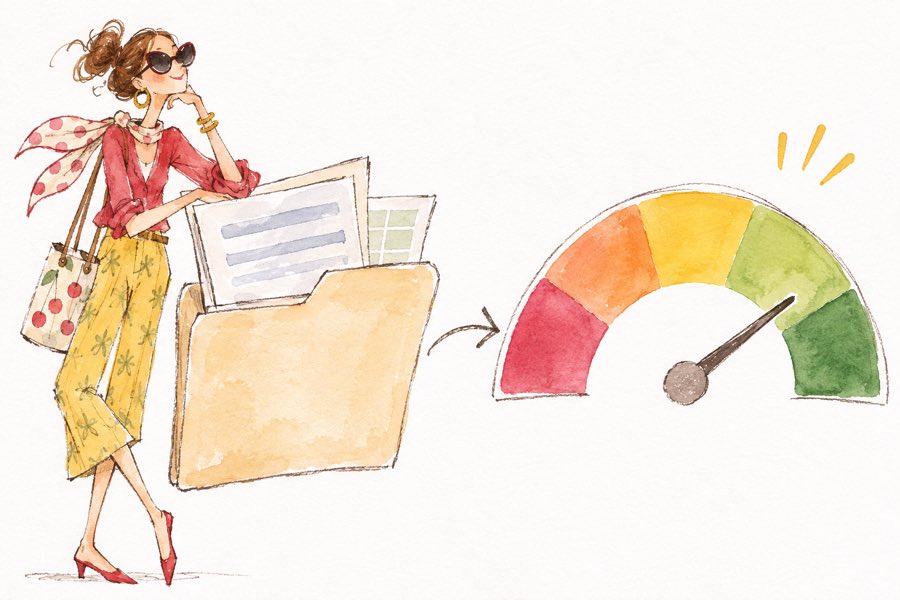
A credit score is a number that helps predict how someone may repay borrowed money. Scoring models use information in credit reports. A score is not a measure of your personal worth.
Why does it matter?
Lenders may use scores when deciding whether to offer credit and on what terms. A score can influence interest rates or borrowing limits, but lenders may consider other information too.

What can affect it?
Payment history, balances, credit use, account history and new applications can matter. Different scoring models weigh information differently. There is no single action that guarantees a particular score increase.

How is a report different?
A credit report records details about credit accounts and payment history. A score summarizes information using a model. You can have different scores, so check which one a provider is showing.
What habits can help?
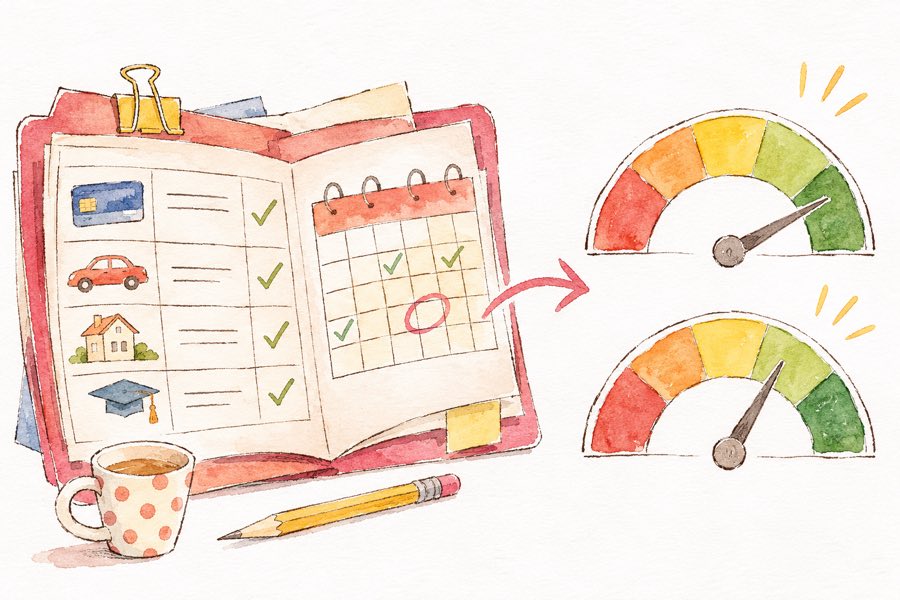
Pay on time, keep balances manageable and review your reports for errors. Accurate information and steady habits matter. Improvement can take time; be cautious about promises of instant results.

You’ve finished the credit score guide

Create your FREE account
Answer a few questions, then finish signing up to explore resources for your needs.
Continue →